Girls in Bulgaria face difficulties in self-assertion and stress resilience, while boys report lower levels of empathy, curiosity and motivation to express themselves. This is one of the conclusions of an international study of emotional and social skills among Bulgarian youth, conducted for the first time in Bulgaria.
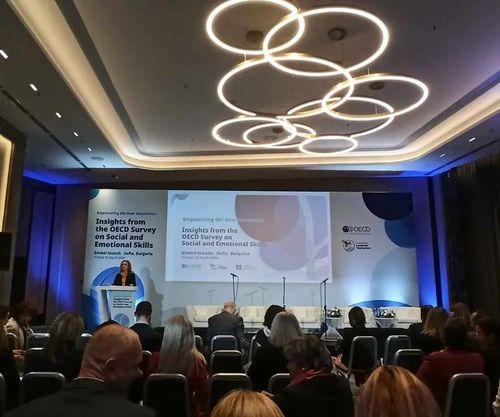
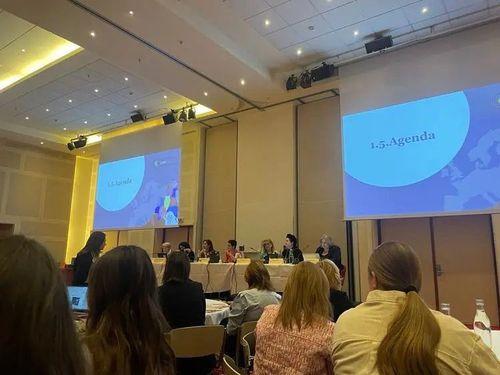
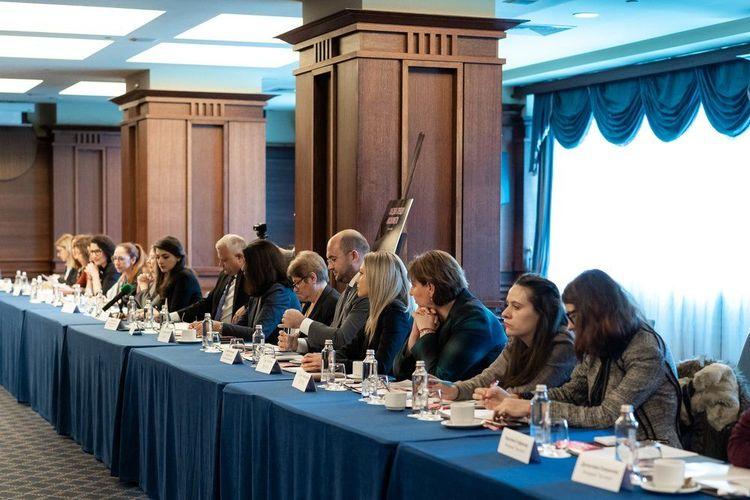
With the financial support of the Lachezar Tsotsorkov Foundation, Bulgaria was included in the global study of the Organization for Economic Cooperation and Development (OECD), which in 2023 conducted the first-ever survey of 3,000 Bulgarian youth aged 15, comparing them with their peers from 21 countries. The study "Socio-Emotional Skills for a Better Life", the results of which were announced on April 26, 2024 during an international conference in Sofia, revealed the current emotional and social skills of our adolescents and how they affect various aspects of their lives.
What we learned:
In Bulgaria, 40% of 15-year-olds report having smoked cigarettes or consumed alcohol at least once in their lives, which is above the average for all other countries participating in the study (17%);
In Bulgaria, 45% of students have skipped school (above the average for all other countries: 29%);
Girls report lower levels of assertiveness and stress resilience, energy, emotional control, trust, optimism compared to boys.
Boys report lower levels of empathy, tolerance, curiosity, achievement motivation and creativity than girls.
Gender differences in assertiveness and emotional control are significantly larger between genders than among other participants from other countries.
Relationships between social-emotional skills and students’ ambitions for the future in Bulgaria:
15-year-old students with higher levels of curiosity, perseverance, empathy, tolerance, creativity, achievement motivation, self-control, optimism, energy, responsibility, stress resilience, emotional control and sociability tend to have higher expectations of completing higher education and occupying a managerial or skilled job position when they are 30;
In Bulgaria, students with higher levels of confidence also tend to have higher expectations of completing higher education, while students with higher levels of energy and trust tend to have higher expectations of a managerial or professional job position.
The link between social and emotional skills and academic performance is clear:
In Bulgaria, 15-year-old students with higher levels of achievement motivation, perseverance, responsibility, tolerance and emotional control tend to achieve better grades in all three subjects: mathematics, reading and the arts.
In connection with the worrying results of the research, a coalition of non-governmental organizations, uniting dozens of NGOs, finds a direct correlation between increasing the social and emotional skills of adolescents with and their realization in life. The coalition appeals to the Ministry of Education to introduce a training program aimed at increasing these “soft skills” that in many European countries are already considered an integral part of the educational process. A statement from the coalition says:
"We call for cooperation with the civil sector and its specialists, who can assist the state in conceptualizing and implementing educational programs as an integral part of school classes. We believe that this will be a process and will take time and work. But we, representatives of the civil sector, committed to the topic of human rights and the defense of democratic values, believe that only together can we achieve a more comprehensive educational system that takes into account the needs of adolescents and increases their emotional quotient in parallel with their intellectual abilities."
The world-proven methodology measures skills such as assertiveness, empathy, creativity, curiosity, tolerance, emotional control, sociability between girls and boys. Thanks to this initiative, Bulgaria enters the world map among countries such as India, Japan, China, Colombia, Brazil, the United Arab Emirates, Italy, Chile and Ukraine.
Foundations that signed:
Bulgarian Fund for Women
European women’s lobby - Bulgarian platform
Bulgarian Helsinki Committee
Bulgarian Centre for Nonprofit Law
Impact Drive
Association for the support of people with mental disabilities
‘Association Animus’ Foundation
‘Yes - united against violence’ Foundation
Bilitis Foundation
The Wake Up Foundation
Emprove Foundation
Mom and Job Foundation
Pulse Foundation
Single Step Foundation
H & D Gender Perspectives Foundation